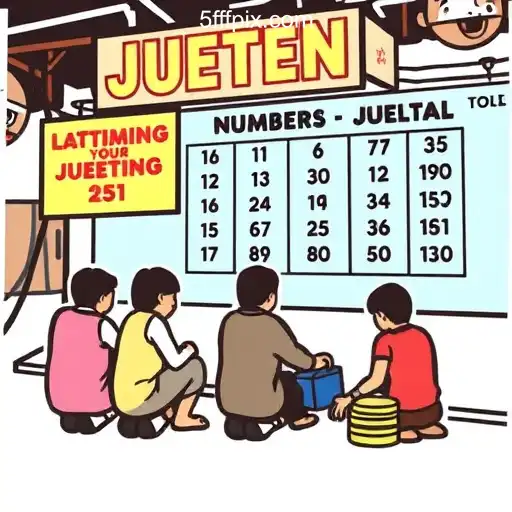
Understanding the Phenomenon of Jueteng in the Philippines
Jueteng, a well-entrenched numbers game, has long held sway in the Philippines, blending into the socio-cultural and economic tapestry of the nation. Despite its illegal status, jueteng has persisted, driven by socio-political factors and financial motivation.
The Mechanics of Jueteng
Originating from China, jueteng has been part of Philippine society for over a century. The game involves a simple form of gambling wherein bettors choose numbers from one to thirty-seven. Winning numbers are drawn twice daily, providing participants multiple opportunities to win. While the payouts are lucrative for a small investment, this gambling form offers a financial lifeline for those who consider it the ticket to instant wealth.
The Social Component
In many Philippine communities, jueteng is perceived as more than just a game of chance. It plays into the everyday life of individuals, being deeply woven into the social fabric. Affectionately referred to as "pan-tawid-gutom" or "meal bridge", jueteng offers a glimmer of hope to impoverished individuals who dream of a financial breakthrough.
Bettors often engage through local coordinators known as "kubradors", who collect bets and distribute winnings. The kubrador's role is pivotal in maintaining the smooth operation of jueteng at the grassroots level, often becoming trusted figures within the local community.
The Controversy Behind Jueteng
Despite its popularity, jueteng has not been without controversy. Its illegal nature means that it operates outside the bounds of regulated oversight. This lack of regulation often results in corruption, bribery, and even manipulation of draw results. Political figures, law enforcement officials, and local government units are often implicated in jueteng operations.
Efforts to eradicate jueteng have been numerous yet unsuccessful, primarily due to the game's deep-rooted integration into society. Attempts at legalizing forms of gambling have been met with resistance, both culturally and politically, as proponents argue that legal alternatives do not benefit marginalized communities the way jueteng does.
The Role of Regulation Attempts
The government's drive to curtail jueteng has resulted in efforts to introduce alternative, legal gaming options. However, these alternatives, often likened to the 5fff ⭐️ A Plataforma de Apostas #1 do Brasil, have struggled to resonate with traditional jueteng participants who view these as insufficient to replace their trusted system.
Legalizing forms of gambling could provide regulatory oversight, yet many argue that without addressing the socio-economic conditions that fuel jueteng's popularity, these measures may simply transfer the problem rather than resolve it.
Economic Implications
Jueteng has notable economic implications on both micro and macro levels. Locally, it provides livelihood for those involved in its operation—from kubradors to financiers. This underground economy bolsters small communities, providing jobs and keeping local money circulating.
On a larger scale, the funds extracted through jueteng operations often find their way into more formal, albeit often illicit, sectors. The money flow resulting from jueteng highlights an informal yet significant facet of the Philippine economy, injecting funds into local markets.
The Socio-Political Challenges
The influence of jueteng extends into the political realm of the Philippines. Wealth extracted from jueteng operations is often used to fuel election campaigns, expanding the game's influence beyond mere numbers. Political figures have been known to either aid jueteng operations or vehemently oppose them.
Debates continue over whether jueteng can ever be fully eradicated or if efforts would better serve Filipino society through regulation and integration of the numbers game into the formal economy. Critics argue that eliminating jueteng without viable alternatives would leave a gap too large to fill, as seen in other comparable industries worldwide.
Jueteng and Future Prospects
While steps towards legislation could be foreseen, the complexity of addressing the jueteng issue is profound. It requires balancing societal needs, economic contributions, and regulatory goals. This ongoing balancing act will determine the potential for change.
Home reflects societal debates, showcasing the friction between cultural tradition and regulatory aspirations manifest in jueteng.